Blue Moon Lookup
Blue Moon Lookup: Next Blue Moon Dates
A “Blue Moon” is a quirk of the calendar, not the Moon’s color. It’s the second full moon to fall inside a single calendar month — a rare event that happens roughly once every two and a half years because the lunar cycle is a little shorter than our months.
Next Blue Moon
December 31, 2028
Calculated live from the synodic lunar cycle — the second full moon in a single calendar month.
Recent Blue Moons
- May 31, 2026
- August 31, 2023
- October 31, 2020
- March 31, 2018
- January 31, 2018
More Upcoming
- October 31, 2031
- July 31, 2034
- January 31, 2037
Search a Custom Date Range
Looking for a specific date range? Search below.
Select a date range to search.
Frequently Asked Questions
What actually is a "blue moon"?+
It doesn't mean the Moon turns blue — that's just the name for an extra full moon that doesn't fit the usual pattern. Most years have 12 full moons, one per month, but every couple of years a 13th sneaks in, and that odd one out gets called a blue moon.
What's the difference between a "seasonal" blue moon and a "monthly" blue moon?+
A seasonal blue moon is the third full moon in a season that has four (instead of the usual three). A monthly blue moon is the more commonly known version — the second full moon to happen in a single calendar month. Both get called "blue moon," they're just calculated differently.
How often do blue moons happen?+
Roughly every two to three years, which is where the phrase "once in a blue moon" comes from. It's not a fixed schedule since it depends on how the lunar cycle lines up with the calendar year.
Can I look up past or future blue moons with this tool?+
Yes — this page lists upcoming blue moons through 2050, and you can also search any custom date range using the lookup tool below, based on real lunar phase calculations.
Does the Moon ever actually look blue?+
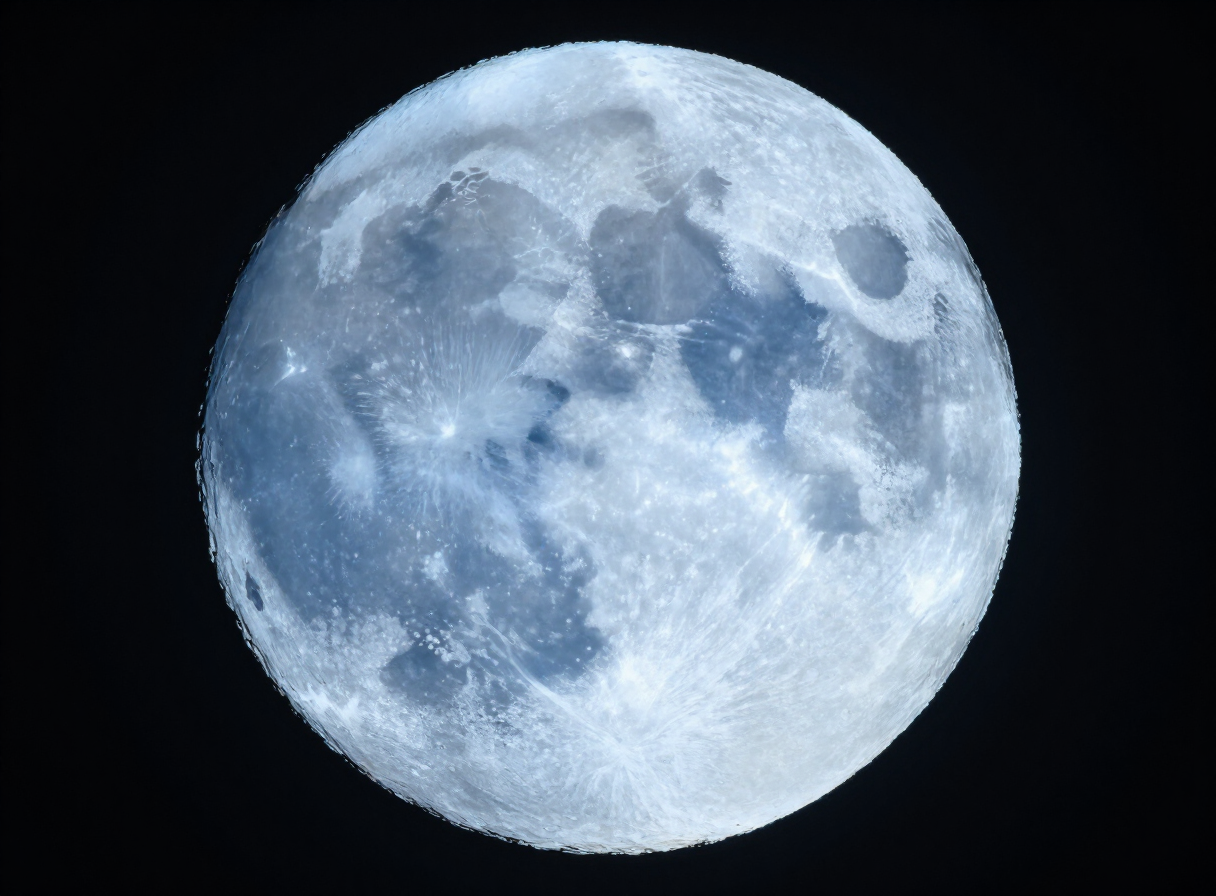
Very rarely, and not because of anything to do with its phase. It takes something like smoke or ash particles of a certain size in the atmosphere — from wildfires or volcanic eruptions — to scatter light in a way that makes the Moon appear blue-tinted. It has nothing to do with a blue moon in the calendar sense.
Two Kinds of Blue Moon
The most common definition — and the one this tool uses — is the monthly Blue Moon: the second full moon in a single calendar month. Because the time between full moons is about 29.5 days and most months are longer than that, two full moons can squeeze into one month if the first falls early enough.
An older definition is the seasonal Blue Moon: the third full moon in a season that contains four full moons instead of the usual three. This is where the phrase “once in a blue moon” originally came from, marking an event that upset the expected rhythm of the year.
Despite the name, the Moon doesn’t actually turn blue during a Blue Moon. A truly blue-looking Moon can occasionally appear after volcanic eruptions or large wildfires, when fine particles in the atmosphere scatter red light and let blue-ish light through — but that’s an unrelated atmospheric effect.
Want to know what each full moon means through the year?
Moon Names by MonthKeep exploring the moon